Fitness Rule #10:
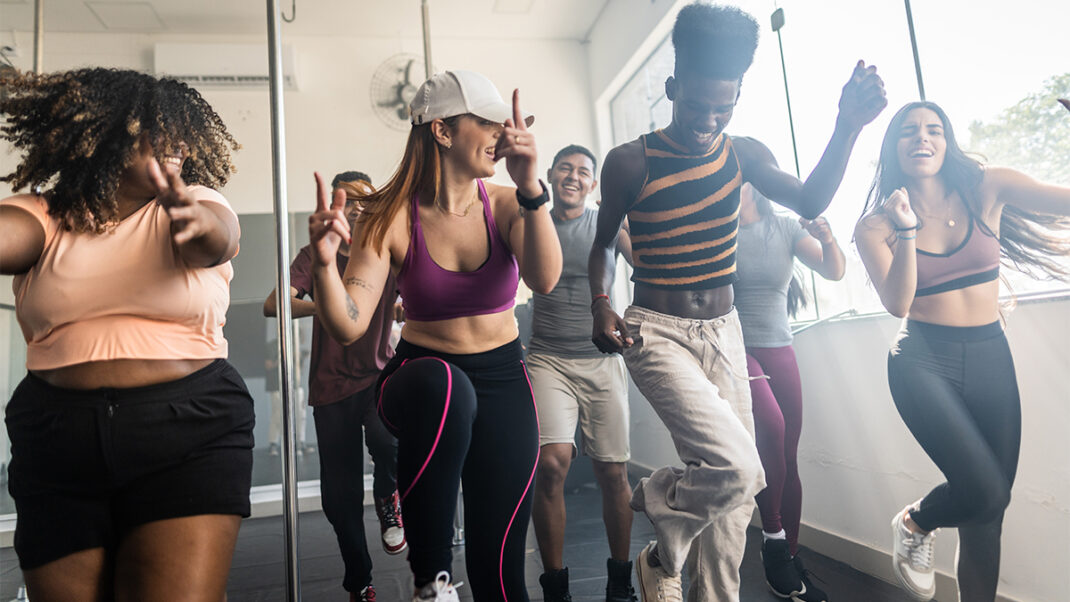
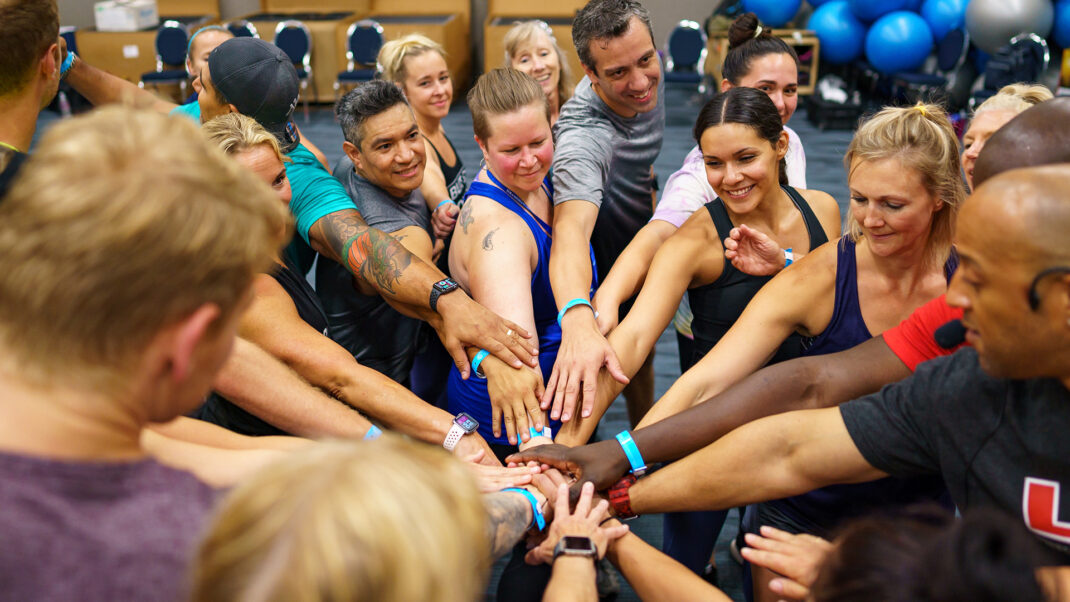
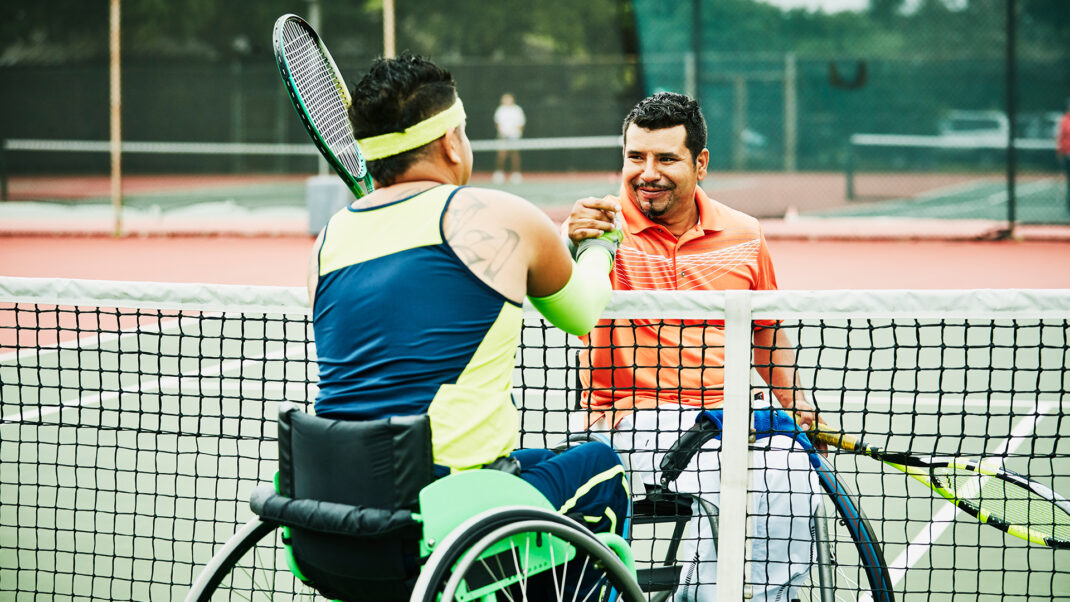
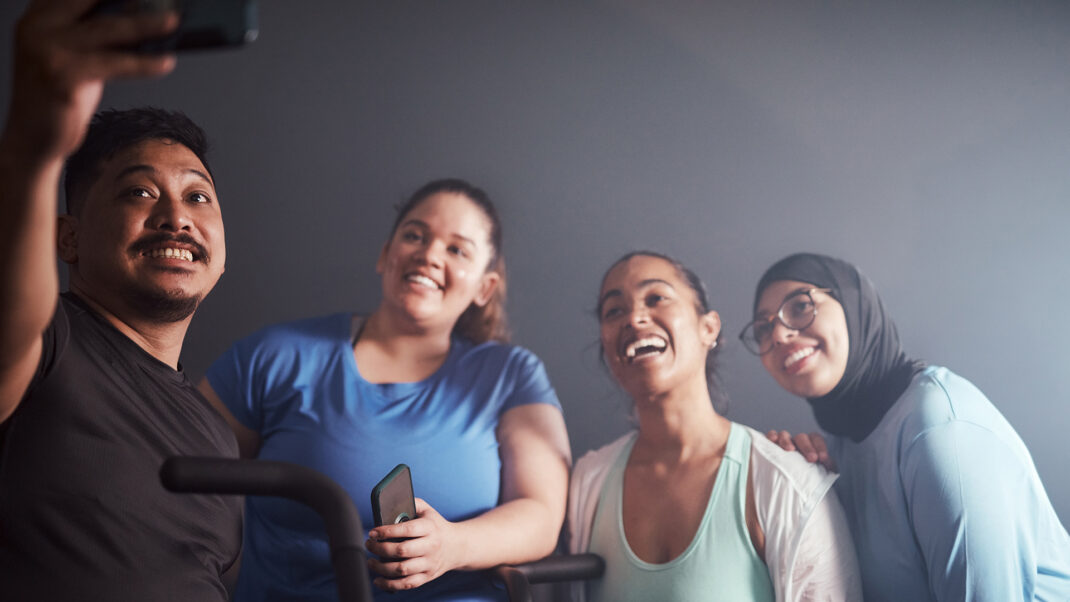
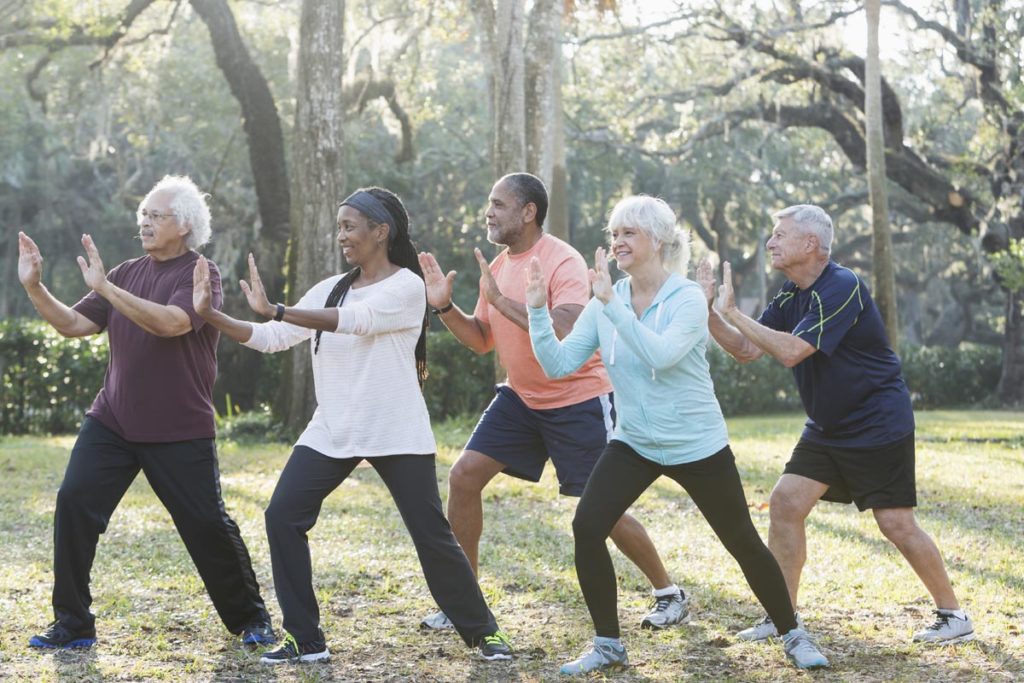
Surround yourself with winners. - One of the key qualities of successful people is that they avoid negative individuals. Instead, they choose to spend the majority of their time surrounded by those who have already achieved what they seek to achieve. So if your goal is to weigh 135 pounds through healthy eating and active living, then seek out others who already live a healthy lifestyle and have achieved their weight loss goals. Hanging out with people who just talk about getting in shape, but who never take persistent action, will increase your chances of never reaching your goal.
ACE Certified Personal Trainer
Zumba / Zumba Gold Licensed Instructor
R.I.P.P.E.D Certified Instructor
Certified Titleist Golf Fitness Instructor
760-951-3508
Find my Webpage at: www.wix.com/calfitnessandyoga/cal-fitness
Find me on: IDEA FitnessConnect at: www.ideafit.com/profile/patty-hartong
Find me on: Youtube http://www.youtube.com/user/calfitnessandyoga?feature=mhsn
Find me on: Facebook @ http://www.facebook.com/people/Instructor-Csdfitness/100003379597495
The class will follow the below styles:
HATHA
Hatha is a very general term that can encompass many of the physical types of yoga. If a class is described as Hatha style, it is probably going to be slow-paced and gentle and provide a good introduction to the basic yoga poses.
VINYASA
Like Hatha, Vinyasa is a general term that is used to describe many diff...
Classes end with Shavasana (perhaps the most important part of yoga practice). Lying on the back, the arms and legs are spread at about 45 degrees, the eyes are closed and the breath deep, using deerkha (long) pranayama. The whole body is relaxed onto the floor with an awareness of the chest and abdomen rising and falling with each breath.
Pure bliss!
One of the best ways to ensure your fitness success is to dig deep and ask yourself "WHY do I work out?" It's rarely about loosing weight or putting on muscle. It's more about feeling confident in a bathing suit, keeping up with your kids, being faster on the field or waking up every day full of energy. "Dig deep" and tell us the REAL reason you work out, lets hear it!
Beef, Mango, & Barley Salad
Total Preparation Time: 1-1/2 hours
1 beef tri-tip roast (1-1/2 to 2 pounds)
2 medium red bell peppers, cut into 1-1/2 inch pieces
1 teaspoon sweet paprika
1 cup uncooked quick-cooking barley
1/2 teaspoon salt
1/4 teaspoon black pepper
1/3 cup lime juice
1 teaspoon olive oil
1/2 teaspoon sweet paprika
2 medium mangoes, cut into 1/2 inch pieces
1/3 cup chopped green onions
1/4 cup chopped fresh cilantro
4 large Boston lettuce leaves (optional)
Makes 6 to 8 servings
Instructions:
- Heat oven to 425°F. Place bell peppers on metal baking sheet; spray with nonstick cooking spray. Set aside.
- Press 1 teaspoon paprika evenly onto all surfaces of beef roast. Place roast on rack in shallow roasting pan. Do not add water or cover. Roast in 425°F oven 30 to 40 minutes for medium rare; 40 to 45 minutes for medium doneness. Roast bell peppers in oven with beef about 30 minutes or until tender. Set peppers aside to cool.
- Remove roast when instant-read thermometer registers 135°F for medium rare; 150°F for medium. Transfer roast to carving board; tent loosely with aluminum foil. Let stand 15 minutes. (Temperature will continue to rise about 10°F to reach 145°F for medium rare; 160°F for medium.)
- Meanwhile, cook barley according to package directions. Set aside to cool slightly.
- Cut beef into 1/2 inch pieces; season with salt and black pepper. Whisk lime juice, oil and 1/2 teaspoon paprika in small bowl until blended. Toss with beef, barley, roasted peppers, mangoes, green onions and cilantro in large bowl. Serve in Boston lettuce leaves, if desired.
Cook’s Tip: To quickly cool barley and prevent it from clumping, spread on metal baking sheet.
Cook’s Tip: Mango adds an interesting punch to this salad, both with its sweetness and with a boost of vitamin C.
Nutrition information per serving*: 309 calories; 9 g fat (3 g saturated fat; 4 g monounsaturated fat); 60 mg cholesterol; 246 mg sodium; 35 g carbohydrate; 4.3 g fiber; 26 g protein; 8.4 mg niacin; 0.8 mg vitamin B6; 1.3 mcg vitamin B12; 2.3 mg iron; 27 mcg selenium; 4.7 mg zinc.
*This recipe is an excellent source of protein, niacin, vitamin B6, vitamin B12, selenium and zinc; and a good source of fiber and iron.
Spring has sprung. So, there's no time like the present to get movin' on your health and physique. Committing to run a 5K can do just that. You may never have pictured yourself wearing a race number and standing in a huddle at the starting line, but life shouldn't be a spectator sport.
If you've been walking, it may be time to kick things up a notch and progress to running. It's the things in life that you DON'T do that you regret, so read on to find out how you can train for your first 5K.
First, find an event. There's no shortage this time of year. Search web sites like www.Metrosports.com or www.Runnersworld.com for event listings. You may want to select one based on the sponsoring charity, location or date. Give yourself at least eight weeks to prepare mentally and physically. Once you have your date, you can focus on training with a new purpose. You may even want to enlist a training buddy.
A 5K is 3.1 miles. How much do you need to train to be able to run your first 5K race? If you possess a reasonable level of fitness, you can probably run three miles on very little training. You might be sore for a few days after the race, but you still could finish.
The Training Sessions
In order to avoid injury and make your first 5K a good experience, here's a simple plan for beginners featuring 30 minutes of exercise every other day. You may see walking as the enemy when trying to build up to running, but continuous walking will gradually prepare your legs for running.
If you're a beginner, start with one full week of walking for 20'30 minutes per session. Start by thinking in terms of seconds and minutes, not miles. Walk out the door and go 15 minutes in one direction, turn around, and return 15 minutes to where you started.
After your first week of walking 30 minutes, strive to walk for the first 10 minutes of your workout and the last 5 minutes. During the middle 15 minutes of the workout, jog for 30 seconds, walk until you recover, then jog 30 seconds again.
Repeat the jog, walk, jog sequence until the 15 minutes are up. In the beginning, it may take you up to four minutes to recover from 30 seconds of jogging. Eventually, adapt a 30/30 pattern: jogging 30 seconds and walking 30 seconds repeatedly for 15 minutes. Follow this 30/30 pattern for 30 sessions. Do what your body tells you. Everyone is different in his or her ability to adapt to exercise. When you're beginning, it's better to do too little than too much.
If you continue this 30/30 routine for 30 days, you will finish the month able to cover 2-3 kilometers walking and jogging. You're now ready to progress to the next stage of your training as a beginning runner. If you train every other day, it will take you two months to be able to run continuously for 30 minutes.
Building up to the 5K
Gradually, begin to increase the jogging time and decrease the walking time. For example, run for 45 seconds and walk for 30 seconds. Then, progress to a ratio of 60/30, then 75/30 or 60/15.
Vary your routine. Work a little harder one day, then make the next session an easier one. Build in a weekly rest day, where you do no activity and give your body a chance to recover. Without rest days, you won't improve. Running a 5K won't happen overnight, but it can happen in two short months -- and along the way you will see gradual improvements in your physical fitness.
Even when you build up to continuous running, remember to begin and end each workout by walking five minutes. This pattern of warming up, training hard and then cooling down is one used by runners at all levels.
Once you've mastered running for 5K, you can continue to train by increasing .25 miles each week for another month and then begin to incorporate speed intervals. If the training seems too difficult for you, either repeat the week you have just completed or drop back to the previous week before continuing.
Only you can judge whether you are pushing too fast or too slow, but it's best to err on the conservative side.
What To Wear
It's essential that you treat yourself to a new pair of running sneakers when you increase your running time. Cushioned socks will also help prevent blisters, calluses, corns and ingrown nails. They help keep the feet dry, so they don't move as much inside the shoe. Specialty socks are available for running. Choose loose-fitting garments or tight-fitting Lycra clothing, as they both work equally well. Bright-colored clothing helps ensure safety in high-traffic areas.
Unless you've done it, you'll never understand the feeling of accomplishment training for and competing in a physical event can bring. It's one of the greatest senses of accomplishment you can have to push your physical limits. Once you've run your first 5K, there's no reason you can't continue to compete at that race distance. You may enjoy it so much, you may want to increase the distance and try the 10K.
Building up to running can be fun, but don't make the mistake of doing too much too fast. The more you enjoy your training, the more encouraged you'll be to become a pacesetter.
If you turn on the television, you may see tons of infomercials about the latest machine or diet that is supposed to melt away unwanted belly fat and keep it off. All you have to do is use the machine and in a few weeks you'll have a flat stomach. Or, you are told to perform an endless amount of crunches or spend hours on the treadmill to burn belly fat. Unfortunately, there is no quick and easy way to lose belly fat.
First of all, a flat stomach is made in the kitchen. You are what you eat and if you eat junk, it will show up on you in unwanted areas such as your belly. Your workout regimen is the other part of the equation, and the most important factor of the regime is intensity. Intensity is inversely related to waist-to-hip ratios. Moreover, you burn more total calories per minute during high-intensity intermittent exercise. Below are some tips on how to get the flat stomach that you desire.
- Use exercises that work your abdominals all the time. Free weight exercises activate the core more effectively. Squats, lunges, step-ups, push-up variations, plank variations, deadbug variations, and inverted rows are among the best exercises that activate your core musculature throughout the entire movement. This way, you are working your body as a unit, which is how you use it every day. Moreover, you are utilizing more muscle groups when performing these exercises which means that you receive a greater caloric expenditure. Therefore, your body responds better to these types of exercises.
- Incorporate metabolic circuit training into your workouts. Metabolic circuits are total body workouts that involve high-intensity work periods with short rest periods in a circuit format. These types of workouts deplete carbohydrate stores so that your body is forced to burn fat during recovery and hours after. By performing these workouts, you get the strength training benefits of weight training and the cardiovascular benefits of cardio exercise, which adds to caloric expenditure.
- Restrict sugar, starch, trans fat, and partially hydrogenated fat intake. These ingredients set the stage for increased belly fat, not to mention a long list of diseases. Consuming too much of these ingredients creates unwanted inflammation in your body and makes you crave more unhealthy foods. These ingredients are found in foods such as baked goods, sports drinks, energy drinks, carbonated beverages, fruit juices, desserts, cereals, and some pre-packaged meats. Unhealthy ingredients, too many calories, and not enough exercise are a prescription for abdominal fat gain.
- Get enough sleep. You should be getting between 7-9 hours of sleep per night. Not enough rest negatively affects your appetite control system, making you crave more sugars and starches. Moreover, cortisol increases, which is notorious for mobilizing fat to the abdominal area.
- Drink half of your body weight in ounces of water per day. Doing so prevents bloating, keeps you from consuming too many calories, and boosts your metabolism.
Forget all of the old-school advice on how to get a flat stomach. Intense, total body workouts, good nutrition, and proper rest should be a part of your lifestyle in your want to drop fat. Flat stomachs are made in the kitchen and from effective exercise programs. So if you want a flat stomach, clean up your nutrition, use total body exercises, and crank up the intensity!
By Pamela Brown
Your Body Benefits from Your Hard Work
"Exercise improves your health." You hear it all the time, but what does that really mean? How much of a difference can exercise make in your life, and how much do you really need to do? You’ll be happy to know that you don’t need to spend countless hours in the gym to achieve the heart-health benefits of getting active.
Lower Blood Pressure
- A study by the National Institutes of Health showed that regular exercise (30+ minutes of moderate activity, 5+ days a week) reduced blood pressure in 75% of subjects who had high blood pressure. The reductions were approximately 10 mmHg for both systolic and diastolic blood pressures.
- According to the American College of Sports Medicine, the blood pressure lowering effects of exercise can be observed as soon as one to three hours after a single 30- 45 minute workout! This response can linger for up to nine hours post-exercise. Permanent blood pressure changes can be seen as early as three weeks to three months after beginning an exercise program.
Improve Cholesterol Levels
- A 2001 review involving patients with high cholesterol demonstrated a change in HDL (good cholesterol) and LDL (bad cholesterol) levels after a 12-week exercise program. On average, subjects experienced a 4.6% increase in HDL, a 5.0% decrease in LDL, and a 3.7% decrease in triglycerides.
- Other studies show widespread improvements in cholesterol levels are related to the amount of activity and not the intensity of exercise. The more minutes you exercise per week, the more your cholesterol levels will improve, even if accompanied by a minimal weight change.
Prevent Type II Diabetes
- The combination of physical activity and weight loss has a powerful effect on preventing the onset of Type II diabetes in high-risk individuals. In a recent study by the Diabetes Prevention Program, participants who exercised and lost excess weight had a 58% reduction in the onset of Type II diabetes over 2.8 years, compared to the control group.
Most of these health benefits can be achieved through moderate-intensity physical activity. Experts recommend at least 30 minutes, 5 days a week. Moderate-intensity activity causes a slightly increased rate of breathing and heart rate. It can be described as feeling "light" to "somewhat hard".
There are easy ways to add this type of activity to your daily routine:
- Park the car farther away from your destination.
- Get on or off the bus several blocks away.
- Take the stairs instead of the elevator or escalator.
- Take fitness breaks instead of cigarette or coffee breaks. Walk, stretch or do some office exercises.
- Perform gardening, yard work, heavy house cleaning, or home-repair activities.
- Avoid labor-saving devices; turn off the self-propel option on your lawn mower or vacuum cleaner, and hide all of your TV remotes.
- Exercise while watching TV. For example, use hand weights, a stationary bike or treadmill, stretch, or perform body-weight exercises such as crunches, push ups and squats.
- Keep a pair of comfortable walking or running shoes in your car and office. You'll be ready for activity wherever you go!
- Walk while doing errands.
The good news is that it's never too late to start an active lifestyle. No matter how old you are, how unfit you feel, or how long you've been inactive, research shows that starting a more active lifestyle now—through consistent, moderate-intensity activity—can make you healthier and improve your quality of life.