Emerging research underscores the link between what you eat and how you feel. Couple that with studies showing how exercise positively affects mood, and you have a winning combination for a dynamic lifestyle choices.
First though, we know that even mild dehydration has mood-dampening effects, so drinking plenty of water helps keep stress at bay while also helping to curb hunger, which might lead to binge eating. Tea is a healthy beverage choice, and is very hydrating. Bonus: green tea may have mood benefits as well as help cut fat. Drink up! Remember too now, one cup of coffee a day is fine, too much caffeine however causes anxiety.
Starting the day:
- A stress hormone called cortisol, which is necessary in small doses, can also cause cravings. Eating berries, such as blackberries, strawberries, and raspberries, which are rich in antioxidants and vitamin C, can balance out cortisol levels. And, while were giving credit to fruit, let’s not forget the mighty banana. Bananas are high in potassium and vitamin B6, which both help fight stress.
- Researchers link better mental health to diets that include lots of fruits and vegetables. So, how about having a fresh fruit salad of bananas and berries, or get a boost from a fruit smoothie to start your day and be on your way to stress-free and healthy eating. Bonus: the antioxidant benefits of fruit and vegetables also give your skin age-proof radiance.
- Carbohydrates in small doses, stabilize blood sugar and cause the release of serotonin, the good mood hormone. Healthy options include different types of cereals, whole-wheat pastas, and even honey. The best choice though is oatmeal. Oatmeal stabilizes blood sugar more than ready-to-eat cereals, which is a key to maintaining an even mood.
Mid-day meals:
- Protein from plants and animal sources provide amino acids that act as neurotransmitters and keep the mind alert. Omega-3-rich fatty fish, such as salmon, tuna, lake trout and halibut, and especially sardines, has a dramatic impact on taking depression out of the equation.
- Building meals around whole grains like brown rice and black quinoa may boost levels of serotonin. Folate, found in beans, leafy vegetables, oranges, tomatoes, most produce, and fortified grains and cereals, can also improve serotonin levels.
- A healthy meal that stems from the popular Mediterranean Diet may include lentils as a first course, then risotto with grilled shrimp and vegetables, followed by melon for dessert.
- Finally, some nutritionists ask their clients to save the bulk of carbohydrate intake for evening meals so that the sedative effect might aid in getting a better night’s sleep. Many sources say that foods containing tryptophan are good to eat because they produce serotonin, which has a calming effect. Turkey, beans, and cottage cheese all contain the soothing chemical and come in low-fat, low-sodium varieties too.
And then there were snacks:
- If you’re a snacker here are some ways to indulge your desires while regulating your body’s stress response.
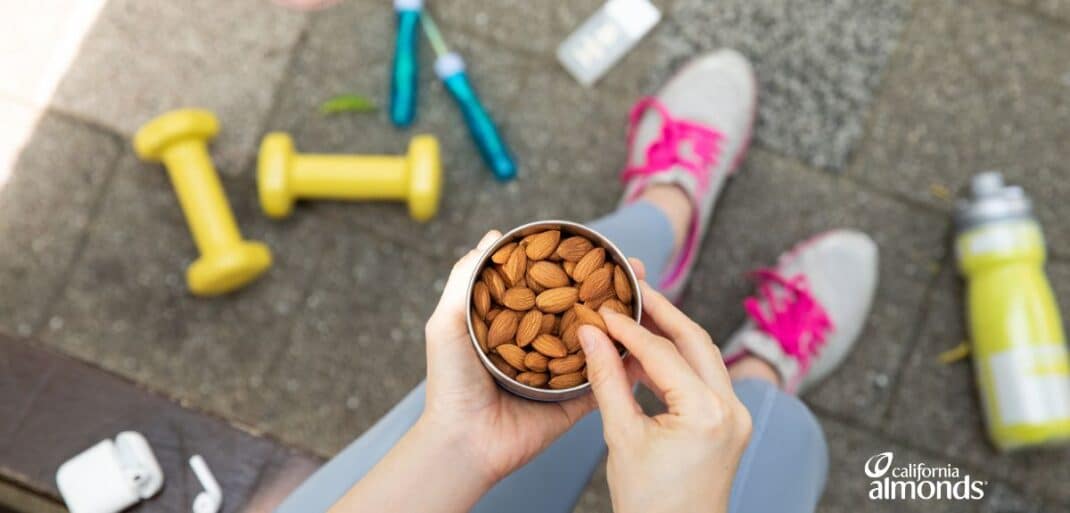
- Healthy snacks, like a handful of pistachios helps keep blood sugar levels (and mood) even between meals. Other healthy options that make perfect on-the-go snacks are apples, oranges, bananas, pears, and baby carrots.
- With the vast snacking options available, there are also indulgent selections that are low in calories and also may have mood boosting affects. For example, five pieces of a Dove dark chocolate bar with peanut butter equals only 180 calories. Which means if you have one or two pieces it’s still under 100 calories — a welcome surprise for snacking chocolate lovers.
Living a healthy and happy life is easy. You can give your mood and energy levels a boost with good nutritional choices and a regular exercise routine. Remember to browse the ACE GETFIT website for exercise tips, and additional ways to live healthy.
Additional resources:
http://www.goodtoknow.co.uk/recipes/Pasta
http://www.sixwise.com/Newsletters/2008/July/30/Nine-Foods-that-Help-You-De-Stress-Quickly.htm
http://www.fitnessmagazine.com/recipes/snacks/low-calorie/7-stress-busting-snacks/
http://www.fitnessmagazine.com/recipes/quick-recipes/dinner/healthiest-snack-food/?page=4
In response to the ever-present search for the elusive fountain of youth, month after month, magazines feature articles touting anti-aging secrets.
However, creating a leaner, healthier, and more youthful appearance really is easy. Just commit to a daily routine that’s fun for you and feel the difference.
Keep it in motion – Cardio gives you the lean body you crave while also strengthening your heart and lungs. There are many ways to get your daily dose of aerobic exercise. Try walking, dancing, running, biking, hiking, climbing a mountain! Choose any activity. Try anything for 30 minutes – everyday.
Ditch the fat – Stimulate your metabolism as you sculpt a beautiful body that stops the clock. There’s no need for anything more than a set of five or eight pound dumb bells and a few strong moves. Try the plank with its myriad of variations for a whole body strengthener, squats and lunges are the personal trainers favorite, curls, pushup row, kickbacks, and rows are just the beginning. The options are almost limitless so there’s no way to ever become bored by repeating the same moves. Do three sets of 12 repetitions for each exercise.
Unwind and let go – Take time for yourself to reduce stress and increase self-confidence. Try Yoga, Pilates, massage, or meditation. Get some fresh air and sunshine, read while in a hammock, and find your own inspiration. This time, it’s all about you.
Follow these simple essentials for a healthy long life of feeling great. Commit to movement everyday.
Need some help getting started? Look for a certified personal trainer; visit the local fitness facility, sign up for a group fitness class. Remember to browse the ACE GETFIT website for exercise tips, and more ways to live healthy. Talk with a physician before beginning an exercise program.
Every good fitness instructor, personal trainer, or coach will be sure to instruct clients to breathe deeply when exercising. Filling the lungs upon contraction helps bring oxygen to the working muscles. Breathing also helps regulate running rhythm during a marathon or endurance bike race for increased energy and a strong finish.
Proper breathing while exercising can improve performance as well as reduce the chance of injury. During weight lifting, it’s extremely important not to hold or force the breath, known as the Valsalva maneuver, which increases pressure in the thorax and abdomen causing blood pressure to rise dangerously high, very quickly. The result is dizziness, fainting, painful exercise induced headaches, and potentially stroke or death.
Then too, if daily stress has you anxious and feeling tense or worried, doctors recommend deep breathing to restore inner calm and reduce blood pressure. Medical researchers conclude that the emotional benefits of deep breathing include:
- Gaining a new perspective on stressful situations
- Building skills to manage stress
- Increasing self-awareness
- Focusing on the present
- Reducing negative emotions
With that in mind, some research suggests focused breathing may help such conditions as:
- Allergies
- Anxiety disorders
- Asthma
- Binge eating
- Cancer
- Depression
- Fatigue
- Heart disease
- High blood pressure
- Pain
- Sleep problems
- Substance abuse
To learn rejuvenating breathing techniques try a Yoga class. Performing a series of postures and controlled breathing exercises promotes a more flexible body as well as a calm mind. By moving through poses that require balance and concentration, there’s less focus on a frantic day and more on being in the moment.
In Yoga, breathing is life. Proper breathing brings more oxygen to the blood and to the brain, and to vital life energy.
- Move the belly with the breath — the diaphragm is the primary engine of the breath. This domelike muscle descends toward the abdomen, displacing the abdominal muscles and gently swelling the belly
- Keep the upper body quiet — relax the jaw, throat, neck, and shoulders, and imagine the breath sweeping into the deepest parts of the lungs as you while inhaling in and out
- Breathe easy — consciously relax into a wave like quality of breath to deepen the sense of peace and ease
- Lengthen exhalations — try gently extending each exhalation by one or two seconds
- Pause after each exhalation — this can be deeply satisfying and evoke feelings of profound quiet and stillness
- Let the whole body breathe — let the belly swell and release, the hips rock back and forth, the shoulders bob, and the spine gently undulate
Breathing correctly all day can not only keep us safe from injury during exercise but also reduce stress for a healthy long life. To learn more about improving breathing technique, try a Yoga class.
Don’t forget to browse the ACE GETFIT website for exercise tips, and more ways to live healthy.
If all of the supermarket newsstand magazines are true, the two things most women want above all else:
- to lose weight
- to reduce the signs of aging
Today though, many of us hunch over our desks at computers, or slump behind our steering wheels for hours on end, day after day. Both of which wreak havoc on our posture. And, here’s the thing about posture — if it’s good, it makes us look younger and leaner.
Have you ever noticed how Yoga instructors seem to float across the floor as they walk with the most graceful poise and open posture? Practicing a few Yoga poses will help improve your posture so that you look ten pounds lighter and ten years younger.
After a Sun Salutation warm-up, try adding the following four exercises to your practice at least four times a week:
- Locust — builds back strength to support flexibility
- Plank — is a great way to fortify your core while also working your shoulders
- Boat — the pinnacle pose for aggressively working abdominals and hip flexors
- Side Angle — opens the chest building amazing strength and flexibility in the large muscle groups: quadriceps, hamstrings, abdominals
When done correctly, Yoga poses advance core strength as well as body awareness. However, it takes dedication to connect and engage our muscles, rather than simply move through the poses. Still, when we mindfully contract the transverse abdominals (beneath the six-pack) the resulting muscle strength holds us up effortlessly in each pose. Ballet dancers also use the traverse abdominals to maintain their posture. Seriously, who doesn’t have better proper posture?
The body awareness that you achieve during Yoga practice helps adjust and maintain proper posture all throughout the day. What better way to feel and look great while also boosting confidence — with a little help from Yoga! Stand tall. Be fearless.
The cute little book Yoga Bliss gives a great exercise, in the Three-Minute Stress Busters section, called the Figurehead. The author, Tara Fraser, says the pose is a fantastic way to open your shoulders and chest to counteract the hunching. Check out this great article from Women’s Health magazine (Better Posture: 6 ways to straighten up) that gives tips to fix posture problems too. Remember to visit the ACE GETFIT website for exercise tips, and more ways to live healthy.
With heavy loads at home and work, many of us struggle to find the balance necessary for maintaining a healthy lifestyle let alone keeping our bodies at peak performance. Then, the recent news reports saying that taking a multivitamin may not be good for our health after all really doesn’t help.
There’s good news though! There are five essential vitamins important for staying healthy. Consuming common foods will help us get our daily doses of A B C D and K to stay in tiptop shape.
- Vitamin A is necessary for normal vision, immune function, and reproduction. It’s in sweet potato with peel, carrots, spinach, and fortified cereals.
- Vitamin B comes in many forms and plays a key role in the production of cells and neurotransmitters. Get it in milk, liver, eggs, and peanuts. B12 helps with the creation of DNA as well as the growth and production of red blood cells and is in meats and poultry. B1 is what helps transform carbohydrates into energy. It’s in pastas, fish, and dried beans. Vitamin B7, which is in spinach and cauliflower, can help strengthen and grow hair and nails.
- Vitamin C is an antioxidant that protects against cell damage, boosts the immune system, and forms collagen in the body. Don’t worry if you don’t like orange juice Vitamin C is in red and green peppers, kiwis, oranges, strawberries, broccoli
- Vitamin D allows the body to soak up calcium and create strong healthy bones. Find it in fish liver oils, fatty fish, fortified milk products, and fortified cereals. Vitamin D is also formed naturally as a result of sunlight exposure.
- Vitamin K is important in blood clotting and bone health. Get it from green vegetables like spinach, collards, and broccoli; brussel sprouts; cabbage.
These five mighty vitamins are present in typical foods, so it’s easy to get a daily dose of vitamins to maintain health. Eating smart will keep you feeling great and living longer and stronger.
Find out more at WebMD.com and remember to visit the ACE GETFIT website for exercise tips, and more ways to live healthy.
Many people focus on diet as the holy grail for losing weight. A common sense plan coupled with realistic exercise goals that fit into your life easily is the sure fire way to keep the weight off and maintain a healthy long life.
The National Weight Control Registry tracks individuals who’ve successfully lost at least 30 pounds and have kept it off for more than one year. Common behaviors include monitoring weight and food intake, maintaining a low-calorie and low-fat diet, eating breakfast every day, participating in one hour of physical activity daily, and limiting television viewing to ten hours or less per week.
Here are some specifics about their findings of the four tried-and-true weight management methods that really work.
- Monitor weight and food intake — Choose a day and time to weigh yourself consistenly each week. Just as importanly, tune in to how your clothes fit each day. Record daily dietary intake in order to learn about eating habits, triggers, and where adjustments can be made. Once the weight begins to fall away and the new way of eating becomes a habit, it’s not as necessary to keep the record. Becoming more mindful of what, when, why, and how we eat is important for changing and maintaining behaviors.
- Adopt an eating frequency and pattern — Spread calories throughout the day. Begin by eating breakfast. Have a single item, like a cup of low-fat yogurt or a banana within one hour of waking and then aim for a daily high-fiber breakfast made up of two to three different food groups. Studies show that eating four or five small meals or snacks throughout the day is associated with lower energy intake and reduced obesity risk.
- Control portions — Follow USDA recommended portion sizes using your hand as a guide for measuring: 1 cup = size of medium fist; serving of meat = medium-sized palm; cheese serving = two fingers; and a serving of oil = thumb tip. Slow down and purposely enjoy your meal, while sitting at a table. Eating slowly and savoring the food also helps control appetite and calorie intake.
- Fill up on less — Drink lots of cold water and fill up on nutrient-rich, high-fiber foods to satisfy hunger and reduce caloric intake. Aim for 25 to 35 grams of fiber per day and increase gradually. Thanks to water and fiber, low-caloric-density foods give us larger portion choices that have fewer calories. Go for fruits, vegetables, beans, and low-sodium soups. High-fiber foods also slow digestion and absorption and stabilize blood sugar, which helps control hunger.
Most importantly, formulating a lifelong wellness plan that incorporates daily exercise goals, as well as focusing on fresh whole foods in a balanced approach, is truly the way to reach your overall health goals — and lose weight too.
Remember to visit the ACE GETFIT website for exercise tips, and more ways to live healthy.
Personal trainers everywhere will tell you to build muscle in order to lose weight and get in shape. Although it’s true that in the early stages of a weight loss program doing lots of cardio will help us lose weight, the best way to keep your metabolism revved up and burning those calories over time, is through building muscle. That’s because muscle requires more energy, which equals calories burned. Keep up the cardio and add large muscle strengthening exercises to your complete health and wellness plan.
Try switching up your routine with Yoga, which provides a total body workout. With the added benefit of relieving stress, improving body awareness, and increasing breathing capacity for maximum oxygen uptake, Yoga practice also gives us better posture. It builds muscle too.
Men’s Health magazine recently added a Yoga Center to their website that takes readers through the basics while eliminating the old myth that men don’t do Yoga. “Find out how yoga can make you better, faster, and stronger.” They offer a workout for the hard-core set: Get rock hard abs with Yoga. Plus, the site features major league athletes who use Yoga as part of their training regimens.
Prominently reported in every fitness magazine lately is the Plank, an isometric core exercise with its roots originating in Yoga. Many variations exist such as the side plank and the reverse plank. Today, those training for boxing and other sports commonly practice the plank. Both of Yoga’s Warrior I and II poses use typical lunges combined with balance to build quadriceps, hamstring, and gluteus muscles.
Options for varying your exercise plan are abundant. By incorporating Yoga into your workout regimen, you’ll gain extra benefits for living a healthy full life while you lose weight and get in shape.
To find more information about which form of Yoga may be right for you, visit the Yoga Journal website. Remember to browse the ACE GETFIT website for exercise tips, and more ways to live healthy.
Everyone is looking for a magic bullet to get in shape fast by using diet tricks. Although it really does take hard work and dedication to eat right, here are a few simple and easy ways to improve nutrition habits that work toward making a positive difference in our overall health.
- Switch from soda to carbonated flavored water, pass on the sugar-laden energy drinks too — unless during a four-hour long non-stop sweating workout
- Eat breakfast — have some low-fat Greek yogurt or a boiled egg
- Use extra virgin olive oil instead of butter
- Chew your food slowly, and sit at the dinner table-away from the TV when you eat
- Ask for salad dressing on the side when dining in a restaurant
- Choose fat-free, low fat, or 1% fat dairy products instead of full fat to save a bundle of calories — eventually replace with rice milk, almond milk, or coconut milk
- Replace your regular sized dinner dishes with smaller salad plates
- Get more calcium — healthier bones mean less pain now and greater independence as you get older — eat dark leafy green vegetables
- Drink lots of ice cold water, before, during, and after meals
- Incorporate fiber into meals — grains, peas and beans, berries, nuts are great additions
- Be choosy about snacks — the easy way to elilminate extra calories make the switch from chips to fruit
- Think to the future — don’t skimp on calories when you’re young; we must maintain a healthy calorie count in our 20’s so that as our metabolism slows down in each subsequent decade, we can easily reduce our calories by at least 100 fewer per day in order not to gain weight
Small changes in our daily habits over time add up to become automatic in how we approach nutrition everyday.
Just stick to it and every once in a while, splurge on that special treat — then go back to the habit of eating healthy foods and feeling great.
Make your calories count, visit the US Food and Drug Administration’s food labeling nutrition website to plan a healthful diet. Remember to browse the ACE GETFIT website for recipes, exercise tips, and more ways to live healthy.
Walking has the lowest dropout rate of any form of exercise — because it’s easy and adds years to our lives — years of feeling great, why not begin a walking routine today and collect the benefits of a lifetime of health.
- Walking conditions the heart and lungs and raises the body’s ability to use oxygen more efficiently. Studies show that women who walked briskly (three to four miles per hour) at least three hours a week cut their risks of heart attack and stroke by more than half.
- Walking helps beat other health problems too. It reduces the risk of some forms of cancer and osteoporosis. It fights the battle of the bulge, taking off fat and building muscle. In some cases, walking can even help people with diabetes reduce or eliminate the need for medication. (remember: always consult your physician)
- Walking can burn about as many calories per mile as jogging. It delivers only about the quarter of the jolt, so it’s easier on joints and muscles.
- Walking is easy on the mind; it lessens stress and lightens depression. Beginning walkers report they feel better, sleep better, and that their mental outlook is better.
Of course, walking is the exercise to do anywhere, anytime. So, put on a comfortable pair of shoes, start slow, build conditioning levels — take a walk today.
- Walk to the store for the newspaper.
- Park a few blocks from work.
- Get off the bus or train one stop early and walk from there.
- Use the stairs instead of the elevator and escalator.
- Walk in the mall.
- Use the treadmill at the gym.
- The list of possibilities is unlimited.
Realize the multiple benefits of better digestion, lower blood pressure, and feeling great while living longer. Remember to browse the ACE GETFIT website for exercise tips, and more ways to live healthy.
In each magazine on the newsstands today, it seems as though everyone is searching for the elusive fountain of youth. Articles touting anti-aging secrets abound. Doctors and researchers from around the world agree that a few simple things can actually make a difference in how we age. Here’s a snapshot of what they’re saying:
1. Look for the laugh — people with a good sense of humor increase their odds of survival by 31 percent, according to a Norwegian study of critically ill patients. When something strikes you as funny, your body produces less aging stress hormones, explains Dr. Bruce Rabin, medical director of the University of Pittsburgh Medical Center’s Healthy Lifestyle Program.
2. Pop four pills — the daily doses for health and longevity: DHA/omega-3 fatty acid (fish oil) for brain function; 1,000 IU vitamin D for bone and heart health; 600 milligrams of calcium for bones; and 200 milligrams of magnesium to counteract the bloat and constipation that calcium can cause, says Dr. Michael Roizen, co-author of You: Staying Young.
3. Don’t gum up the works — one little strand of floss can keep disease at bay. Flossing prevents gingivitis, which ages arteries and immune system, according to Dr. Roizen. In fact, studies show people with gum disease have an increased risk of heart disease and a higher mortality rate.
4. Talk and walk — everyone knows that walking a minimum of 30 minutes a day is great — and bringing a friend along is even better. Get the anti-aging benefits of the physical activity, and the social contact that helps bolster immunity and reduce stress, says Dr. Roizen. People over 70 with many friends live an average of 22 percent longer than those with fewer personal connections, a ten-year Australian study found.
5. Taste the rainbow — a naturally colorful diet is the healthier. Vibrantly hued fruits and vegetables are loaded with antioxidants, says Dr. Mark Liponis, medical director of Canyon Ranch resorts and author of Ultra Longevity. Fill your grocery cart, lunch bag, and dinner plate with a Red-Orange-Yellow-Green array of produce.
6. Aim for optimal weight — gaining a lot of weight while between the ages of 18 and 40 is particularly dangerous because every ten percent increase in weight raises blood pressure, and high blood pressure is one of the major factors affecting aging, according to Dr. Roizen. Plus, studies link lowering daily caloric intake by ten to 20 percent seems to lead to a longer life, says Dr. Terry Grossman, co-author of Transcend: Nine steps to living well forever. Exercise more.
7. Do some good — people who volunteer live longer and have fewer overall health problems, including depression and heart disease, than those who don’t, according to a review of more than 30 studies on the topic. “It’s a way to make friends and build social networks, and it gives people a sense of purpose,” Dr. Rabin says.
8. Finish those annoying tasks — the burden of leaving a lot unfinished on to-do-lists can have the same cumulative impact on health as a major life event like divorce or a death, research has shown. This sort of generalized stress can age us the equivalent of eight years, Dr. Roizen says.
9. Hit the sack — seven to eight hours of sleep a night is ideal, research shows. “Sleep deprivation increases the risk of heart disease, obesity, and diabetes, and weakens immune systems,” explains Dr. Liponis. To achieve the deepest rest, he recommends sleeping in a cool, pitch-dark room — use eyeshades for blackout effect if necessary.
Check back here often to read the upcoming series of blog posts that will address each of the nine ways to live longer. In the meantime, browse the ACE GETFIT website for exercise tips, and more ways to live healthy.