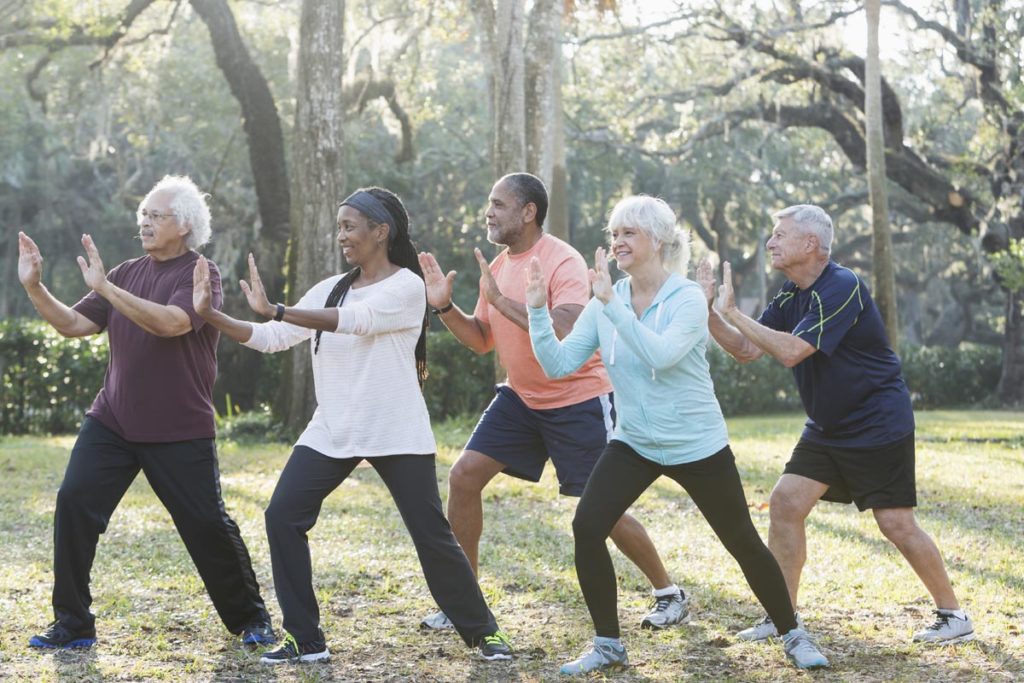
Men's Fitness Magazine's December-2012 interviewed Ken Baldwin, Assistant Professor and the Executive Director of the National Posture Institute. Ken reviews implementing NPI's Four Points of Posture Program™ while walking, standing, and exercising.
WORKSHOP DESCRIPTION:
...
Day-1 Description:
NPI’s Day-1 Workshop prepares personal trainers/exercise instructors, athletic trainers, and health/medical/fitness professionals to assess and educate their clients/patients in the analysis, assessment, and correction of posture and body alignment. The workshop prepares professionals to later complete NPI’s Certified Posture Specialist™ Certificate Program/Course and Examination to receive the CPS designation.
Day-2 Description:
NPI’s Day-2 Workshop prepares personal trainers/exercise instructors, athletic trainers, and health/medical/fitness professionals interested in learning a detailed process to teach, analyze, and perfect resistance training exercises/movements to correct their clients/patients posture. The workshop prepares professionals to later complete NPI’s Certified Resistance Training Professional™ Certificate Program/Course and Examination to receive the RTP designation.
Continuing Education Credits/Units (CEC/CEU): http://www.npionline.org/
National Posture Institute News Story: Strawberries and blueberries may cut heart attack risk in women
Eating three or more servings of blueberries and strawberries per week may help women reduce their risk of a heart attack by one-third – according to research from the University of East Anglia in collaboration with the Harvard School of Public Health.
These berries contain high levels of powerful bioactive compounds called anthocyanins, which are a sub-group of dietary flavonoids.
Research published today in Circulation: Journal of the American Heart Association shows that these anthocyanins may help dilate arteries, counter the build-up of plaque and provide other cardiovascular benefits.
Scientists from UEA’s Norwich Medical School and Harvard School of Public Health (US) studied 93,600 women aged between 25 and 42 who were registered with the Nurses’ Health Study II. The women completed questionnaires about their diet every four years for 18 years.
During the study, 405 heart attacks occurred. Women who ate the most blueberries and strawberries had a 32 per cent reduction in their risk of having a heart attack compared to women who ate the berries once a month or less – even in women who otherwise ate a diet rich in other fruits and vegetables.
The study was lead by Prof Aedín Cassidy - head of the Department of Nutrition at UEA. She said: “We have shown that even at an early age, eating more of these fruits may reduce risk of a heart attack later in life. This is the first study to look at the impact of diet in younger and middle-aged women.
“Blueberries and strawberries contain high levels of compounds that have cardiovascular benefits, and our study shows that women who ate at least three servings per week had fewer heart attacks.
“The findings were independent of other risk factors, such as age, high blood pressure, family history of heart attack, body mass, exercise, smoking, caffeine or alcohol intake.
“Blueberries and strawberries were part of this analysis because they are the most-eaten berries in the United States. It is possible that other fruit and vegetables could produce the same results.”
Senior author and associate professor of nutrition and epidemiology at Harvard, Eric Rimm, added: “Blueberries and strawberries can easily be incorporated into what women eat every week. This simple dietary change could have a significant impact on prevention efforts.”
Until more information about specific dietary constituents like flavonoids is available and fully understood, the American Heart Association recommends eating a balanced diet containing a wide variety of fruits, vegetables and whole-grain products. Eating a variety of foods is the best way to get the right amounts of nutrients.
The study was funded by the National Institutes of Health and the Biotechnology and Biological Sciences Research Council. Co-authors are Kenneth J. Mukamal M.D.; Lydia Liu M.Sc.; Mary Franz M.Sc.; A. Heather Eliassen Sc.D.; and Eric B. Rimm Sc.D.
National Posture Institute- University of Il...linois-Chicago-2-Day Posture CEC workshop (Oct 26-27, 2013)
The University of Illinois-Chicago will be hosting a 2-day Posture CEC workshop presented by Ken Baldwin and the National Posture Institute (NPI). Early Bird Discounts are available by September 26, 2013.
To Register: http://www.npionline.org/
Continuing Education Credits/Units (CEC/CEU): http://www.npionline.org/
...
WORKSHOP DESCRIPTION:
Day-1 Description:
NPI’s Day-1 Workshop prepares personal trainers/exercise instructors, athletic trainers, and health/medical/fitness professionals to assess and educate their clients/patients in the analysis, assessment, and correction of posture and body alignment. The workshop prepares professionals to later complete NPI’s Certified Posture Specialist™ Certificate Program/Course and Examination to receive the CPS designation.
Day-1 Workshop Participants will learn to:
>> Establish this essential key assessment into your facility or organizations current health and exercise testing program
>> Implement a Posture and Body Alignment Assessment Program that will lead to a larger client/patient/membership base for yourself and your company
>> Reviews how poor posture and body alignment develop and evaluates the anatomical structures of the vertebral column and other extremities using a Posture and Body Alignment Grid, client/patient evaluation sheet, and NPI’s Posture Assessment Software.
>> Teach a systematic process to correct alignment, reverse patterns, improve posture, relieve back pain and train individuals incorporating NPI’s Four Points of Posture™ Program
>> This workshop is 60% lecture and 40% interactive hands-on training. A hands-on practical approach is used for demonstrations and experiential learning. Attendees that want to have their posture assessed should wear tank-tops, sleeveless t-shirts, or sports bras and shorts above the knee
Day-2 Description:
NPI’s Day-2 Workshop prepares personal trainers/exercise instructors, athletic trainers, and health/medical/fitness professionals interested in learning a detailed process to teach, analyze, and perfect resistance training exercises/movements to correct their clients/patients posture. The workshop prepares professionals to later complete NPI’s Certified Resistance Training Professional™ Certificate Program/Course and Examination to receive the RTP designation.
Day-2 Workshop Participants will learn to:
>> Teach specific upper, core, and lower body resistance training exercises designed to correct posture and body alignment
>> Select and teach the safest exercise movement for specific muscle groups based on physiological, neurological, and biomechanical principles
>> Teach, demonstrate, and grade/rank an exercise movement using NPI’s Exercise-Movement Grading System™
>> Develop observation, evaluation, educational, and feedback strategies
>> Implement the 3 phases of biomechanical/scientific analysis to perform resistance training exercises using free weights, cable/selectorized machines, body weight exercises, stability balls, exercise tubing, etc…
>> Sequence and select the best exercises to enhance a client’s/patients posture and body alignment using NPI’s Exercise Training Matrix™
>> This workshop is 20% lecture and 80% interactive hands-on training. A hands-on practical approach is used for demonstrations and experiential learning. Attendees that want practice and perfect resistance training exercises/movements to correct their clients/patients posture should wear tank-tops, sleeveless t-shirts, or sports bras and shorts above the knee
Continuing Education Credits/Units (CEC/CEU): http://www.npionline.org/
National Posture Institute-University of Nev...ada, Las Vegas-2-Day Posture CEC workshop (Oct 18-19, 2013)
To Register: http://www.npionline.org/
Continuing Education Credits/Units (CEC/CEU): http://www.npionline.org/
WORKSHOP DESCRIPTION:
Day-1 Description:
NPI’s Day-1 Workshop prepares personal trainers/exercise instructors, athletic trainers, and health/medical/fitness professionals to assess and educate their clients/patients in the analysis, assessment, and correction of posture and body alignment. The workshop prepares professionals to later complete NPI’s Certified Posture Specialist™ Certificate Program/Course and Examination to receive the CPS designation.
Day-1 Workshop Participants will learn to:
>> Establish this essential key assessment into your facility or organizations current health and exercise testing program
>> Implement a Posture and Body Alignment Assessment Program that will lead to a larger client/patient/membership base for yourself and your company
>> Reviews how poor posture and body alignment develop and evaluates the anatomical structures of the vertebral column and other extremities using a Posture and Body Alignment Grid, client/patient evaluation sheet, and NPI’s Posture Assessment Software.
>> Teach a systematic process to correct alignment, reverse patterns, improve posture, relieve back pain and train individuals incorporating NPI’s Four Points of Posture™ Program
>> This workshop is 60% lecture and 40% interactive hands-on training. A hands-on practical approach is used for demonstrations and experiential learning. Attendees that want to have their posture assessed should wear tank-tops, sleeveless t-shirts, or sports bras and shorts above the knee
Day-2 Description:
NPI’s Day-2 Workshop prepares personal trainers/exercise instructors, athletic trainers, and health/medical/fitness professionals interested in learning a detailed process to teach, analyze, and perfect resistance training exercises/movements to correct their clients/patients posture. The workshop prepares professionals to later complete NPI’s Certified Resistance Training Professional™ Certificate Program/Course and Examination to receive the RTP designation.
Day-2 Workshop Participants will learn to:
>> Teach specific upper, core, and lower body resistance training exercises designed to correct posture and body alignment
>> Select and teach the safest exercise movement for specific muscle groups based on physiological, neurological, and biomechanical principles
>> Teach, demonstrate, and grade/rank an exercise movement using NPI’s Exercise-Movement Grading System™
>> Develop observation, evaluation, educational, and feedback strategies
>> Implement the 3 phases of biomechanical/scientific analysis to perform resistance training exercises using free weights, cable/selectorized machines, body weight exercises, stability balls, exercise tubing, etc…
>> Sequence and select the best exercises to enhance a client’s/patients posture and body alignment using NPI’s Exercise Training Matrix™
>> This workshop is 20% lecture and 80% interactive hands-on training. A hands-on practical approach is used for demonstrations and experiential learning. Attendees that want practice and perfect resistance training exercises/movements to correct their clients/patients posture should wear tank-tops, sleeveless t-shirts, or sports bras and shorts above the knee
Continuing Education Credits/Units (CEC/CEU): http://www.npionline.org/
National Posture Institute Research Review-First-ever yoga study published in the Journal of the American College of Cardiology finds yoga to be a safe, effective therapy for heart patients
KANSAS CITY, Kan., Jan. 30, 2013 –Yoga training has always been thought of as a healthy activity, but now a study has the scientific findings to prove it. In a first-of-its-kind study, doctors at The University of Kansas Hospital evaluated the role of yoga in the management of atrial fibrillation – a common heart rhythm disorder that is a leading cause of stroke.
The study, published in this week’s Journal of the American College of Cardiology, found that rigorous practice of yoga can help reduce episodes of irregular heartbeat and improve the symptoms of anxiety and depression often associated with atrial fibrillation. On average, yoga was found to cut patients’ episodes of atrial fibrillation in half and significantly improve quality of life.
“The practice of yoga is known to improve many risk factors for heart disease including high blood pressure, high cholesterol, hardening of the arteries, and stress and inflammation in the body,” said Dhanunjaya Lakkireddy , M.D. at The University of Kansas Hospital, and lead investigator of the study. “There are currently no proven complementary therapies that are known to help decrease the symptoms of atrial fibrillation in a noninvasive fashion with minimal side effects and reasonable safety and efficacy.”
Researchers followed 49 patients with atrial fibrillation who had no physical limitations. During the first three-month control phase, participants were permitted to engage in any type of physical activity they were previously accustomed to doing. This was followed by a three-month study phase where patients participated in a supervised yoga program consisting of breathing exercises, yoga postures, meditation and relaxation.
Forty-five minute yoga sessions were administered by a certified professional three times a week over the course of the study phase. Participants were also given an educational DVD and encouraged to practice the exercises at home on a daily basis depending on their comfort levels. All participants were new to the practice of yoga, and the program was designed to allow beginners to progress safely from basic movements to more advanced practice over the course of the study.
Data showed the yoga intervention significantly reduced the number of episodes of irregular heart beat among atrial fibrillation patients during the study phase compared to the control phase where subjects were participating in the physical activity of their choice. Yoga also reduced depression and anxiety scores and improved quality of life scores in the areas of physical functioning, general health, vitality, social functioning, and mental health.
“These findings are important because many of the current conventional treatment strategies for atrial fibrillation include invasive procedures or medications with undesirable side effects. Success with these therapies varies widely, and they are often only modestly effective in controlling heart rhythm,” Lakkireddy said. “It appears yoga has a significant impact on helping to regulate patients’ heart beat and improves their overall quality of life. Any intervention that helps in reducing or controlling the arrhythmia burden in atrial fibrillation can have a huge impact on public health.”
Given the low cost, safety and effectiveness of yoga, the authors recommend that it be considered in the overall treatment strategy for atrial fibrillation and other complex heart rhythm disorders.
National Posture Institute-Posture Correction Workshop at the University of South Florida-Tampa, FL-March 22-23, 2013 (Earn CECs/CEUs)
Location: University of South Florida | Date: March 22-23, 2013
The National Posture Institute (NPI) will be presenting a Posture Analysis, Correction and Resistance Training Workshop is being held at the University of South Florida campus in Tampa, FL on March 22 (Fri.) - 23 (Sat.), 2013. Early Bird Registration Price Available by March 1, 2013!
Register for NPI Workshop: http://www.npionline.org/workshops/posture-workshops
WORKSHOP DESCRIPTION:
Day-1 Description:
NPI’s Day-1 Workshop prepares personal trainers/exercise instructors, athletic trainers, and health/medical/fitness professionals to assess and educate their clients/patients in the analysis, assessment, and correction of posture and body alignment. The workshop prepares professionals to later complete NPI’s Certified Posture Specialist™ Certificate Program/Course and Examination to receive the CPS designation.
Day-2 Description:
NPI’s Day-2 Workshop prepares personal trainers/exercise instructors, athletic trainers, and health/medical/fitness professionals interested in learning a detailed process to teach, analyze, and perfect resistance training exercises/movements to correct their clients/patients posture. The workshop prepares professionals to later complete NPI’s Certified Resistance Training Professional™ Certificate Program/Course and Examination to receive the RTP designation.
This Workshop has been approved for CECs/CEUs (hours below): http://www.npionline.org/approvedcec
•Personal Trainers: ACE (0.7 CECs), ACSM (7.0 CECs), AFAA (6.0 CEUs), Can Fit Pro (4.0 PTS), ISSA (7.0 CEUs), NASM (0.7 CEUs), NCSF (4.0 CECs), NPI (7.0 CECs), NSCA (0.7 CEUs), SCW (7.0 CECs).
•Athletic Trainers: NATA-BOC-ATC (7.0 CECs)
•Kinesiotherapists: AKTA (0.7 CEUs)
•Registered Dietitians/Dietetic Technicians, Registered: AND (formerly ADA) / CDR (7.0 CPEUs)
•Physical Therapists:
◦Florida Physical Therapy Association (7.0 CECs)
◦Physical Therapy Association of Georgia (0.7 CEUs)
◦Illinois Physical Therapy Association - IPTA (7.0 CEs)
◦State of Illinois - IDFPR (7.0 CEs)
◦Louisiana Physical Therapy Board (7.0 Clinical Hours)
◦Maryland Board of Physical Therapy (0.7 CEUs)
◦Mississippi State Board of Physical Therapy-MSBPT (7.0 Clinical Hours/CCH)
◦Texas Physical Therapy Association (7.0 CCUs)
◦Virginia Physical Therapy Association (7.0 CEs)
◦Pending Approval for the following states: NV
To see the updated extensive CEC/CEU list: http://www.npionline.org/approvedcec
Register for NPI Workshop: http://www.npionline.org/workshops/posture-workshops
WORKSHOP FACULTY:
Ken Baldwin is a full-time Assistant Professor, Certified Posture Specialist™, and the Executive Director for The National Posture Institute (NPI). Ken is the Senior Editor, content expert, and lead author for ACSM’s Resources for the Personal Trainer Textbook (2nd Edition), former Chair of IDEA’s National Personal Trainer Committee, and served on national committees with organizations that include the American College of Sports Medicine (ACSM), AAHPERD, and the Medical Fitness Association (MFA). He’s been awarded Boston’s Best Personal Trainer three times and is the Recipient of IDEA’s National Personal Trainer of the Year Award.
Tampa, FL

National Posture Institute Research Review-Low Vitamin D Levels Linked to High Risk of Premenopausal Breast Cancer
A prospective study led by researchers from the University of California, San Diego School of Medicine has found that low serum vitamin D levels in the months preceding diagnosis may predict a high risk of premenopausal breast cancer.
The study of blood levels of 1,200 healthy women found that women whose serum vitamin D level was low during the three-month period just before diagnosis had approximately three times the risk of breast cancer as women in the highest vitamin D group. The study is currently published online in advance of the print edition of the journal Cancer Causes and Control.
Several previous studies have shown that low serum levels of vitamin D are associated with a higher risk of premenopausal breast cancer. “While the mechanisms by which vitamin D could prevent breast cancer are not fully understood, this study suggests that the association with low vitamin D in the blood is strongest late in the development of the cancer, “said principal investigator Cedric Garland, DrPH, FACE, professor in the Department of Family and Preventive Medicine at UC San Diego.
Analyses of vitamin D levels measured more than 90 days before diagnosis have not conclusively established a relationship between serum levels and risk of premenopausal breast cancer in the present cohort. However, this new study points to the possibility of a relevant window of time for cancer prevention in the last three months preceding tumor diagnosis –a time physiologically critical to the growth of the tumor.
According to Garland, this is likely to be the point at which the tumor may be most actively recruiting blood vessels required for tumor growth. “Based on these data, further investigation of the role of vitamin D in reducing incidence of premenopausal breast cancer, particularly during the late phases of its development, is warranted,” he said.
The new study drew upon 9 million blood serum specimens frozen by the Department of Defense Serum Repository for routine disease surveillance. The researchers thawed and analyzed pre-diagnostic samples of serum from 1,200 women whose blood was drawn in the same time frame – samples from 600 women who later developed breast cancer, and from 600 women who remained healthy.
A 2011 meta-analysis by Garland and colleagues estimated that a serum level of 50 ng/ml is associated with 50 percent lower risk of breast cancer. While there are some variations in absorption, those who consume 4000 IU per day of vitamin D from food or a supplement normally would reach a serum level of 50 ng/ml.
Garland added that a consensus of all available data has shown no known risk associated with this concentration of vitamin D, which is measured as serum 25-hydroxyvitamin D. But he urges patients to ask their health care provider to measure their serum 25(OH)D before substantially increasing vitamin D intake.
“Reliance should not be placed on different forms of vitamin D, such as vitamin D2, and megadoses should be avoided except those ordered by a doctor for short-term use,” Garland added.
Contributors to this study include first author Sharif B. Mohr, PhD, and Edward Gorham, PhD, Naval Health Research Center and UC San Diego; Christopher Kane, MD, J. Kellogg Parsons, MD, and Deborah L. Wingard, PhD, UC San Diego; John E. Alcaraz, PhD and Carolyn Macera, PhD, San Diego State University; and Ronald Horst, PhD, Heartland Assays, Ames, Iowa.
National Posture Institute News Story: Female knees and ACL ruptures very different from men’s
Sports training and ACL reconstruction should focus on unique characteristics of the female knee
ROSEMONT, Ill.—Female athletes are three times more likely to suffer from anterior cruciate ligament (ACL) ruptures, one of the most common knee injuries, compared to male athletes. The ACL is one of the four main ligaments within the knee that connect the femur (upper leg bone) to the tibia (lower leg bone). Recent research highlights the unique anatomical differences in the female knee that may contribute to higher injury rates, and should be taken into consideration during reconstructive surgery and sports training, according to a review article in the January 2013 issue of the Journal of the American Academy of Orthopaedic Surgeons (JAAOS).
“As female athletes have increased their participation in sports, many studies have shown the vulnerability of female athletes to ACL ruptures,” said Karen Sutton, MD, assistant professor, Yale University Department of Orthopaedics and Rehabilitation, and lead author of the review article. “This devastating injury has a long recovery period and a slow return to sport. Thus, research has been done focusing on why women are more vulnerable to ACL injuries and how to prevent them.”
Multiple, recent research studies also have found that preseason and ongoing neuromuscular training programs as part of an overall sports training program aimed specifically at improving knee stability when jumping, landing or pivoting can significantly decrease ACL injury risk among girls and women.
Unique anatomical features of female athletes such as a larger quadriceps angle (“Q angle”)—the angle at which the femur meets the tibia—may cause a greater pull of the knee muscles during physical activity, and contribute to more ACL injuries among females.
Anatomical differences in the female knee should be taken into consideration during ACL reconstruction, said Dr. Sutton. Females are more likely than males to have a smaller, A-shaped intercondylar notch (the deep groove between the rounded ends of the femur bone), making ACL reconstruction more challenging, and possibly requiring altered surgical techniques.
“All female athletes, starting in adolescence, should learn appropriate training techniques,” said Dr. Sutton. “This includes the appropriate way to land from a jump, increasing the strength of muscles that could have a protective affect on the ACL—core, gluteal, quadriceps and hamstring muscles, as well as working on the body’s reaction to change of direction and change of speed.”
Watch the CNN Interview (Jan 19, 2013) with Desirée Nathanson, MS and current National Posture Institute Certified Posture Specialist student discuss NPI’s Four Points of Posture™ Program (Posture Correction Techniques) during her interview. Desirée also attended the National Posture Institute’s Posture Analysis and Correction CEC Workshop that took place at the State College of Florida this past weekend.
Desirée’s CNN segment: http://www.cnn.com/video/#/video/bestoftv/2013/01/19/exp-endurance-while-standing.cnn