Sitting and Its Effects on Our Health
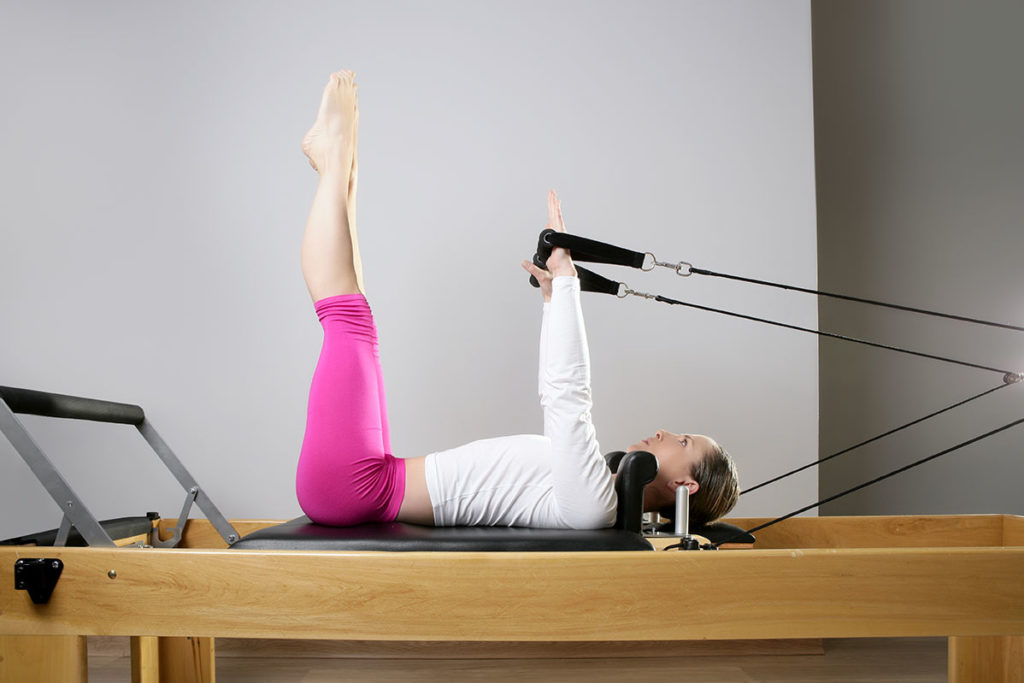
I often see exercisers spend much of their time performing physical movement while seated or laying down on exercise machines. When coupled with the degree of time spent daily in seated positions, the question arises as to the value of this practice. Our bodies need to be stimulated in diverse ranges and positions. Posture, circulation, stability, bone and muscle are all adversely affected by being in seated positions for extended periods. Why exercise that way?
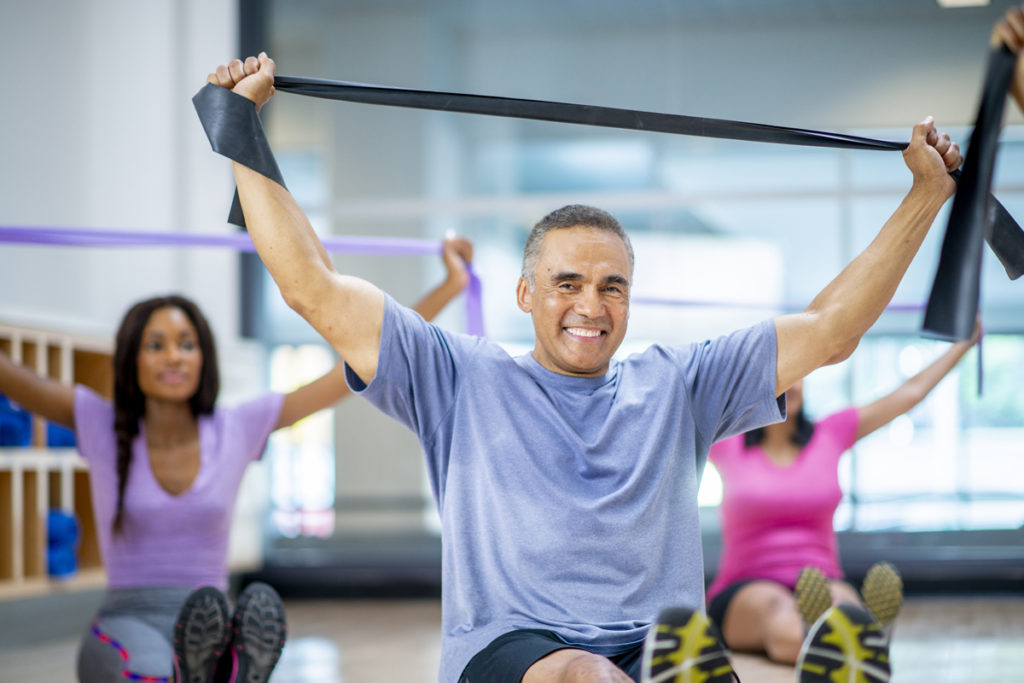
The answer is typically in the type of movement we believe is congruent with “enough” exercise, that is, done with the mindset of being as quick and comfortable as possible. While machines can play an important role in exercise performance, we should use our bodies as the efficient machines they are intended to be. When exercising take every opportunity to minimize reliance on artificial structure, i.e. weight machines that attempt to isolate a muscle group, and use equipment that allows for free and functional movement. Examples include Stability Balls, Resistance Tubing, and your own body weight. You will move and feel better in your daily life and look great too!
I have provided a chart taken from an article by Scott Sonnon, lifestyle and fitness coach, (http://www.rmaxinternational.com/om/home.php) that shows many of the adverse effects we can incur from sitting for hours every day. Based on this material you could make the argument that most of our modern medical challenges could be prevent from reducing this common practice. Take an objective look at how you spend your day and change whatever possible to mitigate this effect.
Often people I work with will describe occasional back pain that radiates through the hip and leg. This condition can be caused by a number of factors from bad shoes to skeletal misalignment. In many cases this pain is reduced or removed with corrective exercise and lifestyle changes. Dr. Spencer Nadolsky, Doctor of Osteopathy and Exercise Physiologist, offers a excellent overview of the causes and cures associated with sciatic pain. I suggest you read his article at :
http://www.precisionnutrition.com/doctor-detective-sciatic-pain
Be well, stay strong
I want to share an article available at the link below that describes the significant effect on fat loss produced by exercise intensity in the hope that it further explains why we should move our bodies with intention, not just duration. The evidence on burning fat is clearly stated by the authors and references provided in this posting. Here are a few additional thoughts of mine when applying these movement principles:
1. If it hurts, don’t do it! If it’s difficult, do two more!
My clients and students often hear me speak these words as encouragement to work through challenges in their training. A common tendency is to move longer at more comfortable intensity levels while never pushing beyond present capabilities. The old adage, “No Pain, No Gain” is inappropriate in my view and should instead be “No Work, No Gain”. Push through your workout goals at every session with every minute, repetition and skill set used.
2. Plan
Seems clear enough, but how often do you effectively prepare for your training session? Each workout should consist of a plan composed of specific goals (e.g. Run for 2 miles in my Target Heart Range; spend 5 to 10 minutes using a foam roller and stretching exercises to release muscle tension and increase over all mobility; perform weight-bearing exercises that improve posture and stability). Record your results in a manner that suits you and never go though a training session without asking yourself what you will accomplish with your efforts.
3. Eat
You must eat prior to and after a training session to provide fuel and better recovery. These meals/snacks should be consistent with good lifestyle habits and in alignment with how you feel when you eat and exercise. In other words do not have a heavy breakfast 30 minutes before training nor deny yourself something nutritious immediately after your work because you are not hungry. Not feeding your body adequately will lead to poor results and frustration. Learn what works for you and nourish the body and mind accordingly.
4. Rest and Enjoy!
Recovery time in the form of quality sleep, effective stress management and regulating intensive exercise is vital to achieving optimal results. Do not train at high intensities daily or repeat the same exercises at every training session. Our bodies are quick to adapt and should be challenged and rewarded equally. Enjoy the experience, knowing that a small measure of discomfort will lead to many benefits. Vary your workouts by adding classes that not only provide movement but also opportunity to acquire new skills, meet new friends and inspire others to do the same. Learn to expect more and deserve that feeling of accomplishment and energy you get from completing each workout, regardless of how you may have felt getting to it.
Lastly, the only “secret” to attaining and maintaining good health is to do something every day to achieve it. Do not let a day go by without taking action that makes your life the unique experience it should be, for us and those around us. “Live life daily in a state of excellence and appreciation. Teach others to do the same.”
Please contact me with any comments and questions you may have regarding this message. Be well, stay strong.
Click here for the article on exercise and its metabolic effect.
Reflecting on the many gifts received this year my thoughts lead back to the incredible support given to me and my family by many of you. I sincerely hope that by my efforts you have improved your life and the lives of those you touch.
My New Year’s wish to each of you is this; that you continue striving for the health and happiness you deserve, and to bring these same gifts to everyone you can. Love for ourselves and others is all we truly need to sustain this precious existence we share. Do something daily that is meaningful and worthy of a life well-lived.
Thank you all for what you so generously give. Be well, stay strong.
Pedro J. Bernardy
December 31, 2012

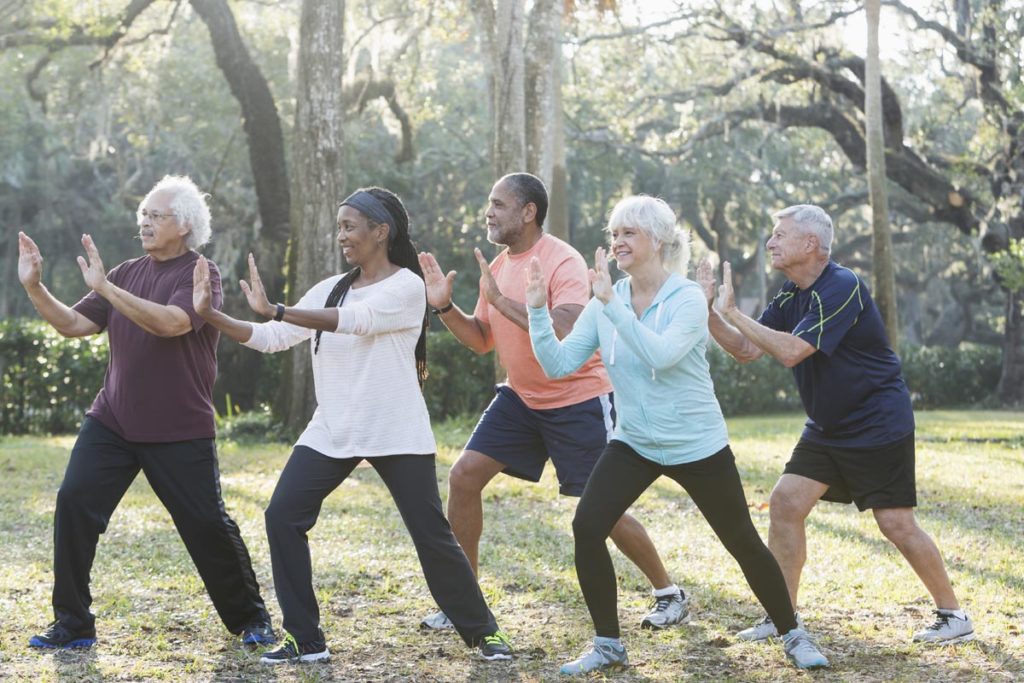
I want to share a very moving piece on living with Parkinson’s Disease that follows several people and how they are learning to cope with this condition. I have the pleasure and privilege to work with the Parkinson’s Network of Mount Diablo and know many of the people shown in this video. A brief look at the exercise portion I conduct at these meetings can be seen mid-way through this presentation; most notable are the many smiling faces in the audience.
Please share this material with anyone you know that is dealing with similar struggles as encouragement to continue moving daily to the best life possible, both for themselves and those that care about them. The video, entitled “Carol’s Story” can be accessed at:
http://www.healthline.com/health/parkinsons/video
Be well, stay strong. Pedro
"Live Life Daily In a State Of Excellence and Appreciation.
Teach Others To Do The Same."
Pedro J. Bernardy, CPT
http://www.ideafit.com/profile/pedro-bernardy
(925) 980-9466
Muscle your way into a better body
by Mike Kilen
© 2012 by IDEA Health & Fitness Inc. All rights reserved.
Diving headfirst into your fitness resolutions for the year, you might have told your friends you really just want to improve your overall health.
But let's be honest. Women want a tight rear and lean, muscular legs. Men want a barrel chest and arms like a rolled roast. Both men and women want six-pack abs.
We've put together a few ways to attack those areas - chest, arms, butt, legs and abdominal muscles. We enlisted the help of two authorities - personal trainer Stan Crowl, certified through the American Council on Exercise and the YMCA, where he has worked at the Walnut Creek Family branch for five years; and Warren Franke, associate professor in the Iowa State University Department of Health and Human Performance.
A word of warning from Crowl. Strength training is good, but gains aren't made without overall health, which includes cardiovascular training, stretching, proper nutrition and enough sleep.
"Don't be impatient," Crowl said. "You've got to think of it as a process of building lean body mass and losing body fat. Take baby steps."
Our experts gave thumbs-up to one all-purpose lower-body exercise: They love the lunge, either with weights or without. For upper body, they say the push-up is good for both chest and triceps.
Variation is the key once you get going in the full swing of fitness routines.
Even Maurio Coleman, 32, who has worked out since high school and played college football, knew he needed some expert advice to vary his routine at the Walnut Creek YMCA.
He hired Crowl and has gained so much muscle mass that now he wants to try to lose body fat. He's on a program using lighter weights and higher repetitions to try to drop 35 pounds from his 275-pound frame.
"I'm on patrol, so I want to be able to get out of the car and chase people," said the suburban police officer.
Consider this a starting guide in each area, to be supplemented by training other body parts in your overall fitness program. The muscles are quick learners, especially if you do the same exercises for months. Move on to more advanced and varied exercises so you don't plateau.
Would a personal trainer help you? If you need more help in designing a program, one option is to hire a personal trainer.
According to the IDEA Health and Fitness Association, a national group that represents fitness professionals, adult one-on-one personal training is ranked third in growth potential in the coming year among all fitness programs.
Here are tips from IDEA officials and Iowa fitness professionals on choosing the right trainer:
1. Is the trainer certified by a nationally recognized organization? There are nearly a dozen credible organizations in the U.S. Among those advertised by trainers in the Des Moines area are ACE (American Council on Exercise), NSCA (National Strength and Conditioning Association) and NASM (National Academy of Sports Medicine). For a full list of accreditations, go to ideafit.com and click on "personal trainer recognition."
2. Does the instructor ask about medical conditions, previous injuries and current level of fitness? A good instructor won't compromise your health and safety and will tailor a program that fits your fitness level.
3. Does the instructor demonstrate how to do each exercise correctly? A good trainer will know which muscles you are working and proper technique.
4. Does the instructor have personal as well as book knowledge? In other words, do they practice what they preach? Performing the movements leads to better teaching.
5. Does the instructor keep up on current trends and new information from scientific journals? The science of exercise has evolved and continues to evolve. It does no good to have an instructor stuck in the 1980s.
For more information on developing a fitness program based on your goals please contact me at:
(925) 980-9466 or pedro@pedrobernardy.com
Be well, stay strong. Pedro J. Bernardy, CPT
http://www.ideafit.com/profile/pedro-bernardy