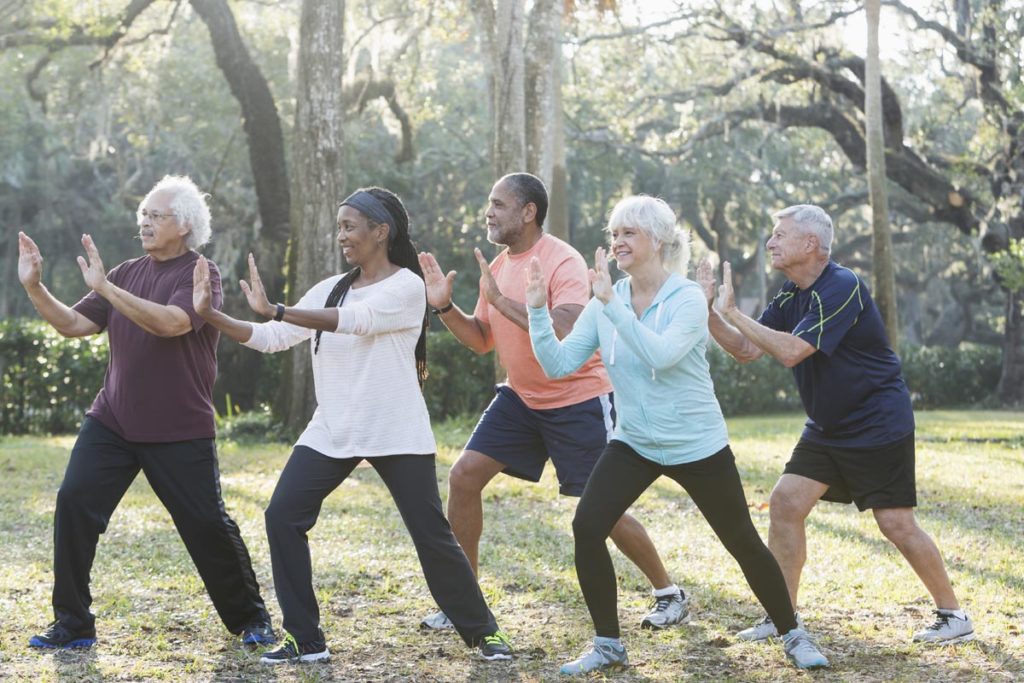
I’ve had both a busy and sad week so I’m going to revisit some past posts. We were out of state for the funeral of a dear uncle who died at the age of 81 from cancer. He continued to golf and ski to nearly the end (“Because That’s What Old People Do”) and still had bags packed with ski gear for a trip to Vail that he couldn’t take in ’12 but planned to take in January of ’13.
“Are Temperature Extremes Causing You To Overtrain” hit home in our family two weeks ago when I was so fatigued from the heat that I broke a toe by shutting my foot in a door. Two days later, my oldest son had a carelessly placed kayak fall off the top rung of a trailer resulting in a trip to the ER for staples in the top of the head and treatment of a mild concussion.
If you’ve read “How To Look 10 Years Older” you’ll know that I’ve got a soap box when it comes to posture. The Huffington Post ran an article titled “Improve Your Posture In One Simple Step.” While the advice neglects the muscles of the core, my clients tried it and it does engage the muscles of the mid-back and lifts the chest. (http://www.huffingtonpost.com/sara-calabro/improve-posture_b_1466290.html)
There’s some worthwhile stuff online including Fitness Magazine’s “How Healthy Are You? 10 Easy Self-Checks (http://www.fitnessmagazine.com/health/body/healthy-toolkit/how-healthy-are-you-self-assessments/) and Eating Well for Health’s recipes for six “Supercharged Smoothies” (http://www.eatingwell.com/healthy_cooking/quick_healthy_cooking/6_ingredients_for_super_healthy_smoothies).
Takeaway: Fitness Magazine’s Daily Fit Tips assessed some health infomercial products. Some were good and some were downright funny including arm lift tape that is supposed to hide “bat wings.” So here are two tips for actually shaping up your triceps. Get in a kayak and paddle backwards. Two, if you are in the Chicago area, check out my upcoming Stand Up Paddleboard class. http://nwpassage.com/Chicago-SUP-for-balance. Either way, you’ll shape up those arms.
I have a number of clients who have too much stress in their lives and as a result, I see a lot of shallow breathing. Stress causes breathing to shift upwards to the muscles surrounding the neck and top of the shoulders. These muscles connect directly to the skull and cervical spine and overuse associated with shallow breathing can result in headaches and lightheadedness. Inadequate oxygen throughout the body can also lead to retention of metabolic waste, resulting in muscles that are fatigued and stiff.
Healthy breathing starts much lower with the diaphragm. The diaphragm is a large dome shaped muscle that separates the chest cavity from the abdominal cavity. Upon inhalation, the diaphragm contracts and drops downward so that the lungs expand. Upon exhalation, the diaphragm relaxes and rises as air is pushed upwards out of the lungs. To start to correct chest breathing, try lying on your back with your knees up and feet down. Put one hand on the chest and the other on the abdomen. Take a slow, deep breath and let the belly rise with inhalation and fall with exhalation. Your chest should stay relatively still and your shoulders should be relaxed. Try this for 10 slow cycles to start the habit of diaphragmatic breathing.
Takeaway: According to a recent Johns Hopkins White Paper, doctors do a good job diagnosing cardiovascular risk for individuals who have either a high or low profile for heart attacks. But most individuals fall in the intermediate range and traditional testing may not provide an accurate picture. The paper suggests testing for CRP (C-reactive protein) which is associated with inflammation and build-up of plaques in the arteries. It also suggests asking your doctor about a CMT test which measures plaque in the carotid arteries.
My first job as a trainer was at a large suburban YMCA. Most of our calls for paramedics came during periods when the temperature was either extremely hot or extremely cold. It’s 102 degrees today in my hometown and I’ll paddle Lake Michigan's cool waters but running outdoors is out of the question. But even exercise in an air conditioned gym or on a cool lake can put you in danger. Most of our indoor accidents at the Y happened to individuals who were battling fatigue from extreme heat or cold, came in expecting to do their normal workout and then had an unusual accident, like falling down the stairs while leaving or smashing a finger between two dumbbells.
During periods where the temperatures are extreme, it’s important to monitor energy level and exercise heart rate range. Let’s assume that you walk 3 miles at a 13 minute per mile pace and your heart rate usually ranges from 130 to 138 beats per minute. If you find that your heart rate is higher than normal from exercise, you could be overtraining and suffering from early heat exhaustion. Other signs of overtraining can include inability to sleep at night, feeling drained in general or not feeling refreshed at the end of a workout. When temperatures soar, I ask my clients to slow down and direct their efforts toward critical exercises that people generally skip, like rotator cuff exercises, cobras for the lumbar spine, clams for hip rotation or heel drops for the inner core. If you focus on corrective exercises and even dig out those physical therapy exercises that you are supposed to be doing anyway, the temps will moderate and you'll be all the healthier for it.
- Takeaway: Symptoms of heat exhaustion include cool moist skin, heavy sweating, faintness, dizziness, fatigue, weak rapid pulse, low blood pressure upon standing, muscle cramps, nausea and headache. If you recognize these symptoms, stop exercising, reduce heat exposure immediately and take in cool liquids, preferably those with electrolytes.
One of my single, childless friends asked me if I meditate and visualize good health every morning. Studies show that visualization really does work when one is trying to accomplish anything. However, I thought all the moms out there might get a laugh out of an” ideal” morning and a “real” morning.”
Ideal: I slept until I woke up on my own feeling refreshed.
Real: My alarm went off 45 minutes later than usual because my 6:30am client was out of town. I felt tired anyway because I was up at 3am the previous morning to drive one son to a 4am pick up for a camping trip.
Ideal: I came downstairs, made coffee and spent 5 minutes meditating on what my life will look like when I accomplish the goals in my 5-year plan.
Real: I came downstairs and realized that our foster dog had thrown up after consuming most of a preserved alligator head purchased in Florida at a soccer tournament. I cleaned up the puke and called Animal 911 for advice while the coffee I poured got cold. (the dog was OK.)
Ideal: I sat down to a breakfast of homemade yogurt topped with walnuts and fresh berries.
Real: I heard the recycling truck and realized that overflowing bins hadn’t been taken out. I raced out with the bins, returned to the kitchen and spread some peanut butter on a piece of bread which I ate standing up. Someone had finished the homemade granola that we all eat so I quickly made a batch. I poured a second hot cup of coffee.
Ideal: I showered; dry brushed my skin, moisturized and put on makeup and a nice outfit.
Real: I showered in 3 minutes and realized that the only clean short sleeve shirt had a logo from a nearby Pilates Studio that might be considered a competitor. I contemplated wearing it inside out but found another shirt. The second coffee got cold.
Ideal: I finally found 5 minutes for meditation and coffee.
Real: I jumped on my bike realizing that I had 6 minutes to meet my 7:30am client. The breeze coming off of Lake Michigan felt like silk on my skin. A man was walking two dogs that both appeared to be smiling. I got to the studio and used one son’s combination lock to secure my bike to a tree remembering that the combination spelled “poop.” It was the start of a great day!
Takeaway: You can visualize or meditate anywhere. If you sit in traffic, inhale and think “slow down,” exhale and think “let go.” If you take public transportation, use ear buds so no one bothers you and visualize how life will look when you achieve all of your goals. If you ride your bike to work, savor the joy of movement and the everyday sights. Breathe, visualize, savor!
This blog post is directed mainly at women, because it seems that a fair amount of female self- worth is tied up in the ability to have a nice home. I personally hate clutter and do enjoy being in a clean environment. But I’ve known a number of women who have focused on decorating and cleaning to the exclusion of their health. For example, I have a relative who has devoted a massive amount of time and money getting her home “exactly how she wants it.” She lives in a beautiful home but walks around in a morbidly obese, deconditioned body. Her joints ache, she refuses to have her picture taken because she is unhappy with her looks and she has had to give up activities that she loves. I had a friend who had a similar focus, tolerated a dysfunctional body and died prematurely of a cancer that may have been delayed or even prevented had she prioritized her health.
If you see yourself here, you might want to do some journaling to uncover why it’s OK to put your body behind your house. I am the only female in a home with five men and forgive me for being a female chauvinist sow, but I do think that living with a pack of men is an uphill battle. But if I’ve got to choose between my home and my health, my health usually comes first. What about you?
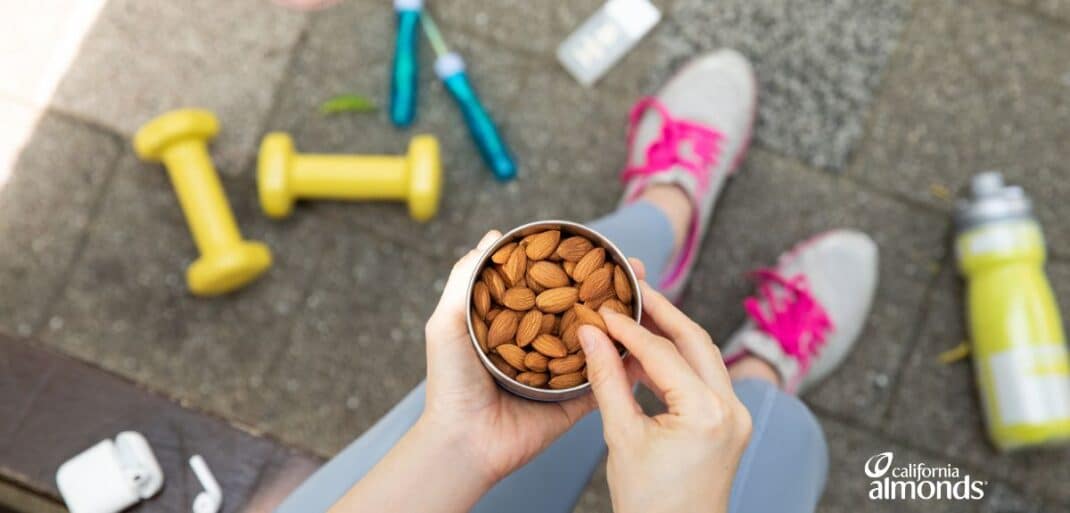
Takeaway: CoachCalorie.com has a nice list of “go to” foods that should always be in your home. They include hummus and veggies, salsa and rice crackers, eggs, raw almonds and almond butter, chia seeds, quinoa and sprouted grain bread (think Ezekiel Bread.)
I needed to get into Chicago last week and my train was late, so I passed the time by observing my fellow commuters’ posture. There are countless articles on how to look 10 years younger, so I thought I’d get your attention with a post on how to look 10 years older. Here’s how.
- Do loads of crunches for six pack abs and ignore your inner core muscles so that you lean slightly forward when you stand and walk. Ever wonder why some elderly people have to walk holding their wrists and arms behind their backs?
- Do lots of chest presses without working on your mid back muscles so that your shoulders round forward and your shoulder blades wing out. Did you hear that Arnold Schwarzenegger and Sylvester Stallone were in the hospital at the same time for rotator cuff surgery? What a coincidence!
- Let your head hang forward so that if you put the eraser of a pencil on your cheek, the bottom tip touches far in front of your shoulder.
It’s not my intention to be sarcastic. But it is my intention to get your attention because poor posture is not benign. A forward lean makes breathing difficult because the lungs have less room to expand. A forward head and lean pulls the upper torso forward compromising balance. Rounded shoulders diminish range of motion making it hard to do tasks (like swing a golf club) while increasing the risk of shoulder injury.
Takeaway: If you are starting a training program and your fitness trainer doesn’t include a postural and gait analysis as part of your initial assessment, find a trainer who does. Posture can greatly improve your health and make you look 10 years older or 10 years younger. It’s your choice.
This week, one of my clients came to her session frustrated by a social situation. The previous evening, she had accepted a dinner invitation from a friend who insisted on sharing a gourmet pizza and a bottle of wine even though she had clearly stated that she was trying to lose weight and didn’t want pizza or alcohol. The host’s response was that a few pieces of pizza and a glass of wine wouldn’t hurt. University of Pennsylvania psychologist Dr. Judith Beck would probably refer to this host as a “food pusher” and offers solutions through her cognitive therapy approach to weight loss in “The Beck Diet Solution” and “The Beck Diet Solution Weight Loss Workbook.” In the workbook, there are perforated “self-talk” pocket reminders for situations like the one my client experienced. Affirmation number four is: “I’m entitled to do what I have to do to lose weight, as long as I am nicely assertive.”
Unfortunately, I’m certain that my client was nicely assertive and the host may have been insensitive or overbearing or even selfish. If you find yourself in a similar situation and being nicely assertive doesn’t work, be nicely stubborn. If being nicely stubborn doesn’t work, then your future social engagements with these individuals may have to be directed at activities other than eating. Whatever you decide, you do have the right to choose foods that support your health and wellness goals.
Takeaway: My immersion blender is one of my favorite pieces of kitchen equipment. On a busy night, I’ll heat up spaghetti sauce, dump a big bag of spinach into the sauce and blend it right in the pot. The enhanced sauce serves as a one dish meal over a cup of whole wheat pasta.
Two years ago, we received a Christmas letter from an “over 60” acquaintance. She was attempting to be funny, but I found her letter depressing.
The letter detailed her orthopedic surgeries, trips to Walgreens for prescription drugs and the use of an aid to pick things up off of the floor. She concluded each sentence with . . .”because this is what old people do.’ With Medicare spending projected to reach $903 billion by 2020, being infirm and dependent on drugs as we age isn’t funny at all. So here’s my version of “because this is what old people do.”
- I have an 80-year old client who had to cancel participation in the two sprint triathlons she was training for when she took a position as a school principal in India because this is what old people do.
- I have an 89-year old client who sits on half a dozen boards and doesn’t think twice about hopping on a plane and crossing the country because this is what old people do.
- I have a colleague in her 60’s who is an accomplished windsurfer and skis black diamonds in Colorado because this is what old people do.
- I have a 68-year old client who can roll a kayak in 3 foot waves and the frigid waters of Lake Superior because this is what old people do.
- A 73-year old woman just successfully climbed Everest because this is what old people do.
- 61-year old Diana Nyad swam for 49 consecutive miles despite multiple jellyfish stings in an attempt to get from Cuba to Miami because this is what old people do.
Takeaway: Need more motivation? Check out this 94-year old ballroom dancer. <http://www.youtube.com/watch_popup?v=8LOdmka4_90>
Many people think they’ll be happy once they reach a particular goal such as losing weight, fitting into a smaller pair of jeans or finishing a triathlon. While there is good reason to be happy for any of the above, studies show that people who start out in a happier state to begin with are much more likely to achieve their goals than those who believe that deprivation and misery will mark the journey.
If you are working toward a wellness goal, make sure that you are doing things that you enjoy. If you hate running and oatmeal, don’t force yourself to run 20 miles a week and eat oatmeal every morning. There are plenty of options for exercise and diet and everyone should be able to find alternatives that will help them go the distance.
To stay positive throughout the day, spend a few minutes each morning visualizing how good you will look and feel once you’ve accomplished your goal. Also, make a list of small things that make you happy. If you feel fatigue setting in or are just having a bad day, take a time out and enjoy one of the activities so that you can keep your mind and body in a positive state. These activities can be simple pleasures such as an afternoon cup of tea, petting your neighbor’s dog or calling a friend.
Takeaway: For hundreds of ideas on reaching your goals, I recommend Caroline Adams Miller’s book “Creating Your Best Life: The Ultimate Life List Guide.” Caroline is a graduate of Harvard University and has a Masters in Applied Positive Psychology from the University of Pennsylvania. Caroline’s advice is based upon proven science and the ideas work.
Dr. Oz was recently on TV talking about how snacking can keep hormones and blood sugar in balance. But an article in 2011 from the Interdisciplinary Obesity Center at UNC states that a rise in “eating occasions” over the last four decades has increased caloric intake by 570 calories per day for the average person. While I agree with Dr. Oz, too many Americans have lost the ability to differentiate between being “mouth hungry” where chewing is a habit and “stomach hungry” where one feels a real sense of hunger. Dr. Oz suggests planned snacking with the goal of avoiding the type of extreme hunger that can drive us to eat everything in sight. But snacking just because you think you should snack may be counterproductive. The next time you feel the need to snack, give yourself 15 minutes and try to determine if you are “mouth hungry” or “stomach hungry.” If you truly feel hunger in your belly, eat a planned snack. If you just want to chew, distract yourself with an activity or a no or low calorie drink. For planned snacking, there are many healthy snack ideas online including the American Diabetes Association website at http://www.diabetes.org/food-and-fitness/food/planning-meals/snacks/?keymatch=snacks
Takeaway: Going to a Memorial Day Picnic? One bratwurst on a roll, a cup of potato salad and one bottle of beer will add up to approx. 800 calories. If you want the brat, potato salad and beer, go ahead. But take a break from socializing and try to eat slowly and mindfully. And stop by the grocery store and take a platter of crudités to share. You can fill up ½ of your plate with veggies so that you can stop at one serving of the above.